Justin from Grin Tech posted a great introductory video on building a solar bike. This is a great starting point if you’re new to solar bikes and want to get up to speed on the basics.
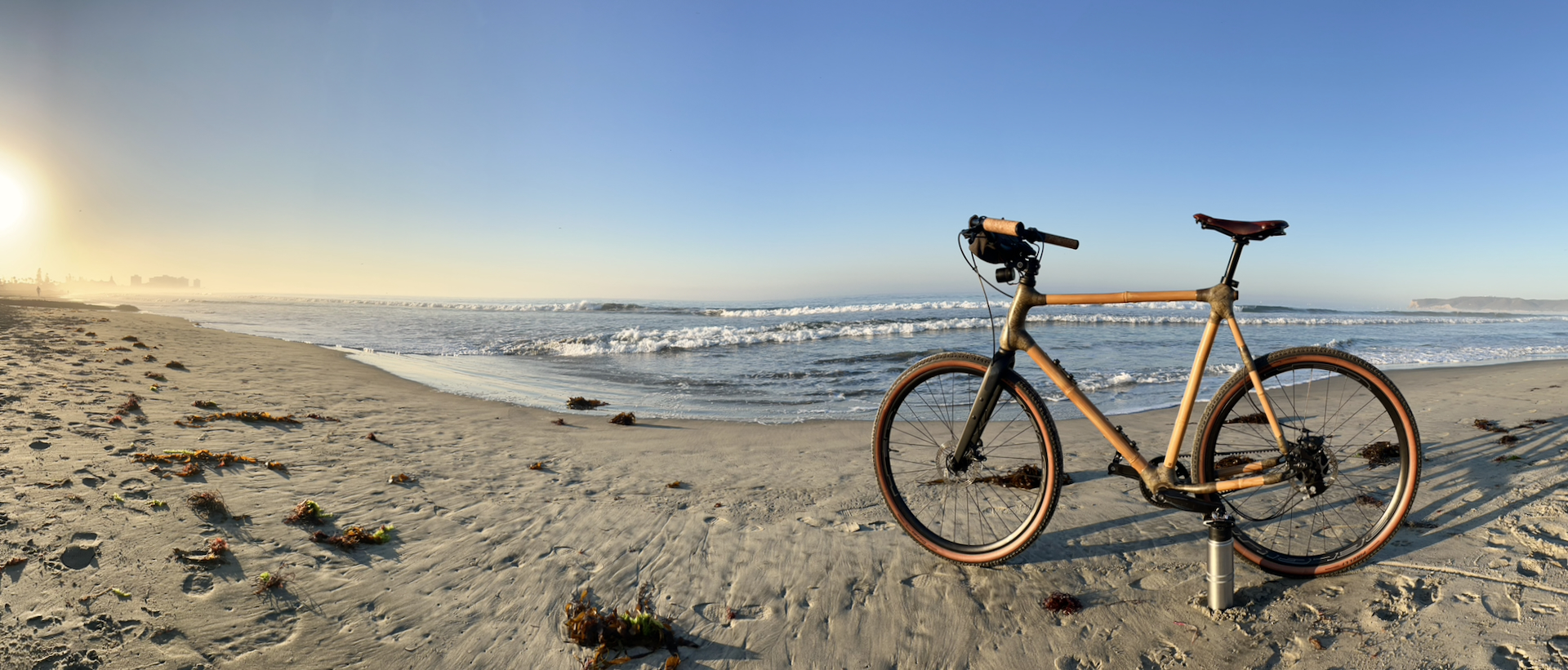
Fueled by burritos and solar power.
Fueled by burritos and solar power.
Justin from Grin Tech posted a great introductory video on building a solar bike. This is a great starting point if you’re new to solar bikes and want to get up to speed on the basics.


hi Justin; excellent tutorial on solar ebikes. I have a solar trailer that produces 40V & ~ 4A feeding a MPPT Boost controller with output of ~59V , 4A, set to instructions ; then directly connected to power wires to battery. a friend had a simular setuup on her e-scooter and it overcharged the battery then exploded, when it was left outside. The Cycle Analyst seems like a great product. Does it have an automatic cut off to keep a battery from running away? George owner swampfoxbikes.com
LikeLike
Hi George. My name is Mark and this is my site. For technical questions or troubleshooting issues with Grin Technologies products such as the Cycle Analyst, please reach out to them via email: info@ebikes.ca
Off the top of my head, a Cycle Analyst can display amps and watts of energy going into a battery during charging if it has the right firmware version and a current shunt attached but it cannot cut off charging to protect the battery. That’s really the job of the battery charger and the battery’s build-in battery management system (BMS).
Connecting a boost MPPT solar charger controller directly to the thicker power wires on an ebike or e-scooter battery is a high risk decision and should not be taken lightly. For starters, this will usually bypass the BMS over voltage protection. This makes it very easy to over-charge the battery if the cells are not balanced or if the charger is not configured correctly.
If you’re only charging at 4A, you should be able to use the battery’s regular charging port. If you really must charge through the power wires, set your charger to only charge to 4.1V or 4.15V per cell instead of the full 100% at 4.2V per cell. For LFP (LiFePO4/lithium iron phosphate) batteries, it’s 3.65V max per cell so set 3.55V/cell. Even then, I would only attempt it with a pack made with high quality cells and only if I’m sure the cells are balanced. All it takes to get a thermal runaway event is a single cell pushed past 4.2V.
If you’re not sure what type of cells you have or have many you have in series, I don’t recommend connecting anything to your battery except the charger that came with it. Grin has a good primer on ebike batteries.
LikeLike